Tuesday, July 24, 2018

Your Lower Back Will Thank You If You Do These 3 Easy Things

Protecting, strengthening and nourishing your lower back are essential to reducing your lower back pain and for supplementing your medical treatments and recovery.
In concert with your medical treatments, consider adding these 3 easy things to your routine to help take stress off your lower back and help it heal:

1. Use a stand-up desk for at least part of your day

Studies have shown that too much sitting is a common cause of lower back pain.1 Your posture while sitting, especially while leaning forward to look at a computer screen, changes the natural alignment of the lower spine and puts an unusually heavy load on the lumbar discs, joints, and other structures.
To avoid prolonged sitting, many people are turning to standup desks for at least part of their workday. Standup desks now come in a variety of shapes, functionality, and price points – from inexpensive desk toppers to fully adjustable, automatic, sleek models.
If you have lower back pain, it is best to start with standing for only part of the day and gradually increase your stamina. You can add a cushioned mat under your feet for additional comfort. Standing more, combined with a brief walk or gentle stretch every half hour to break up long periods of sitting, will make a big difference in the health and integrity of your lower back.

2. Stretch your hamstrings daily

Many people don’t realize that their hamstrings, the large muscles that run down the back of each thigh, can easily become too tight. Overly tight hamstrings transfer stress across your lower back and can contribute to back pain.
There are many hamstring stretches that are gentle on your back and easy to do: pick one or two that appeal to you and will be easy to incorporate it into your daily routine.

3. Sleep in a slightly reclining position

Many people with lower back pain feel more supported when their lower back is supported in a slightly reclined position, with the knees supported and elevated. This is especially true for several lower back diagnoses, such as osteoarthritis, spinal stenosis, and lumbar degenerative disc disease.
If you find it difficult to sleep on your back, you may want to try resting in this position in a reclining chair and/or in your bed while reading before going to sleep.
To sleep most comfortably in a supported, reclined position, consider switching to an adjustable bed, also called an adjustable base. These models are not just for hospitals anymore: there has been a flood of options available to buy directly, ranging from a basic model to sophisticated functionality and options.
One newer development is that many online mattress sellers offer a mattress base that is fully adjustable, and some offer free delivery and in-home setup. If you are considering a new mattress, consider adding an adjustable base that is made to go with that mattress, as the combination may work to really help your back.
As you well know, medical treatments tend to be costly, time consuming, and over time can become emotionally draining. We encourage you to supplement your treatment program with whatever you can do on a daily basis to help your lower back.

Learn more:

References:

  1. Gupta N, Christiansen CS, Hallman DM, Korshøj M, Carneiro IG, Holtermann A. Is objectively measured sitting time associated with low back pain? A cross-sectional investigation in the NOMAD study. PLoS ONE. 2015;10(3):e0121159.
Call ABChiropractic Family & Wellness, in St. Charles, 63303 to set up your appointment with a doctor to discuss your back pain.  We offer natural and effective treatments that are affordable.  636-916-0660

Tuesday, July 10, 2018

The New Health Epidemic: Sitting Disease

By now, you've likely heard about many of the potential negative side effects of too much sitting—including numerous problems related to the lower back. Here are 4 helpful ideas to help you avoid this new health epidemic that is commonly referred to as sitting disease.

1. Stand up every 20 to 30 minutes

Standing up engages both your lower back and leg muscles, which in turn spurs nourishing blood flow throughout your body. So this simple act can reduce your lower back pain and muscle stiffness, while increasing your energy throughout the day.
There are a number of effective ways to remind yourself to stand periodically. For example, you can set an alarm on your computer or mobile phone that rings every 20 minutes, or try breaking up your work into 20-minute segments.

2. Incorporate stretching into your daily routine

Spending prolonged periods of time in the seated position tends to shorten your hamstring muscles, as well as the muscles and soft tissues around your hips. Keeping your hands on your computer mouse and keyboard can also stiffen up your shoulder joints.
Thankfully, even a few stretches throughout the day can go a long way towards loosening up your muscles and soft tissues.

3. Avoid after-hours electronics use

Like many people, you may be required to use a computer at work for up to 8 hours per day. So when you get home, don't head straight for your television or laptop. This unhealthy habit typically leads to more sitting, which is the last thing you need after a long day at work.
Instead, be proactive and plan after-work activities that get you up and moving. For example, you can join a sports league, explore bird watching, or simply take your dog for a walk.

4. Go for a walk

Don't limit exercise to the gym; instead, try to walk as much as possible throughout the day. Walking provides many benefits, including spurring the release of your body's natural pain-killers—known as endorphins. Here are a few pointers for incorporating walking into your busy schedule:
  • Schedule one meeting every day that you conduct while walking.
  • Whenever possible, take the stairs.
  • Consider using a device that tracks your steps throughout the day—this can be an inexpensive pedometer that you keep in your pocket (about $5), or a more expensive wearable device.
Strive towards a healthier lifestyle by committing to stand up and move a little more every day. Even small changes add up over time and can make a big difference. But the key is to get started today! 

Learn more:


Call ABChiropractic Family & Wellness, St. Charles' home of Chiropractic and Wellness for the entire family.  636-916-0660

Monday, June 25, 2018

2 Truths About Treating Your Sciatica That You Need to Know

Are your sciatica symptoms, like searing pain in your calf or numbness in your foot, acting up? These two truths can help you make informed decisions when it comes to treating your sciatica:

1. There is no one-size-fits-all treatment plan

Sciatica is not a medical diagnosis, but rather a symptom of an underlying medical disorder. The six most common causes of sciatica are all problems related to your lower back, such as a lumbar herniated disc and degenerative disc disease. 
Because there are numerous possible causes of your sciatica, your treatment options may vary significantly from another person. This means that you cannot simply adopt a treatment plan that worked for a friend or family member. 
As a general rule, you should not attempt to self-treat your sciatica symptoms before consulting with your doctor—as she or he can provide a proper diagnosis and then propose an appropriate treatment plan. 

2. Exercise is typically an essential component of any treatment plan 

If you’re like most people, you find it difficult to keep active after a severe flare-up of sciatica. But the truth is that prolonged inactivity can make your sciatic pain worse. For example, if you avoid proper exercise your lower back muscles can become deconditioned, which in turn may place additional stress around the location of your sciatic nerve roots.
Most people who suffer from sciatica can benefit from an exercise program that incorporates stretching, strengthening, and low-impact aerobic exercises. Additionally, it’s important to keep up your exercise routine after your symptoms have dissipated to avoid future flare-ups. 
As mentioned above, do not begin an exercise treatment plan before consulting with your doctor—as the types of exercises you should perform are dependent in part on the underlying cause of your symptoms. 
I hope both of the above truths will help you, in consultation with your doctor, form an effective treatment plan to combat your sciatica symptoms. 

Learn more:

Call 636-916-0660 to speak to our doctors about helping you further with sciatica and other health conditions.  ABChiropractic Family & Wellness of St. Charles, 63303, is the home of fast pain relief and wellness for the entire family.

Thursday, June 14, 2018

3 Common Sleep Mistakes

Often times, figuring out why you are struggling to sleep at night can be a process of trial and error. To aid you in this process, here are 3 common mistakes that may be disrupting your sleep:

1. Overstimulation before bedtime 

If you are like most people, your workday doesn’t end when you leave the office. You are constantly checking emails, responding to calls, and reviewing slides right up until your bedtime—which can lead to overstimulation. 
Additionally, you may overstimulate yourself by watching television shows with violence and/or horror elements, by reading the news, or by getting into an argument. 
Engaging in these activities close to your bedtime may seem like no big deal, but this overstimulation within 1 hour of your bedtime can significantly disrupt your sleep.
My suggestion is that you avoid all electronics within 1 hour of your bedtime. In place of your electronics, establish a nightly routine that focuses on relaxation. As part of practicing good sleep hygiene, you may take a warm bath, read a book, or knit and/or crotchet.

2. Staying in bed too long

This mistake may surprise you, but staying in bed too long can make it harder to fall asleep. Here is how this mistake commonly plays out: 
  • You lie down to sleep, but your anxious thoughts, or perhaps your chronic pain, keeps you awake.
  • After 20 to 30 minutes, you still can’t sleep—so now you begin to worry about falling asleep.
  • You can’t force yourself to fall asleep. Instead, your worries makes it harder to sleep; and you end up lying in bed hour after hour.
The simple solution to staying in bed too long is to get out of bed if you can’t fall asleep after 20 to 30 minutes.
Instead of worrying, try engaging in a soothing activity until you feel sleepy, then you can return to bed. If you find that you are unable to fall asleep on a regular basis, make sure to speak with your doctor—as she or he can help you identify the factors that are keeping you awake. 

3. Inconsistent sleep schedule

You lead a busy life—so you likely try to get sleep whenever you can. For example, you may only get 5 or 6 hours of sleep a night during the week, so to make up for it you sleep as much as possible on the weekends. Or perhaps you don’t have a set bedtime, so one night you go to bed at 10 p.m., and the next night at 1 a.m.
An inconsistent sleep schedule can wreak havoc on your ability to both fall asleep and stay asleep. So your best bet when it comes to getting good sleep is to establish a regular time for both going to bed at night and waking up in the morning. 
This means that if you struggle to fall asleep one night you should still wake up at your decided time the following morning. Furthermore, you should also try to wake up at the same time on the weekends as you do during your work week.
If you are constantly making any of the above sleep mistakes, you can begin by cutting one mistake out of your life at a time. As you do so, you are likely to find that you wake up feeling more refreshed and ready for your day. 
Call ABChiropractic Family & Wellness, The Fast Pain Relief Center in St. Charles, MO at 636-916-0660 for further assistance with your health and back pain.  We are here to help!

Tuesday, May 22, 2018

Easy Hamstring Stretches to Alleviate Your Sciatica Symptoms

If you suffer from sciatica symptoms, you may have never considered that your tight hamstrings might be a contributing factor. But tight hamstrings place increased stress on your lower back—which in turn can aggravate your sciatic nerve. 
Here are 2 easy hamstring stretches that may help alleviate your sciatica symptoms: 

1. Supine Hamstring Stretch

The supine hamstring stretch is relatively simple, and it is gentle on your lower back. 
  • Begin by lying flat on your back. 
  • Next, bend your knees towards the ceiling—while keeping your feet flat on the ground.
  • Draw one knee towards your chest, and place your hands below your knee to aid this process. 
  • Extend your opposite leg out, and then repeat the entire process with your opposite leg. 

2. Wall Hamstring Stretch 

The wall hamstring stretch is more advanced than the supine stretch, and should be avoided if you are in acute pain.
  • Begin by lying flat on your back with your feet in front of a wall. 
  • Raise your knee up on your stabilizing leg, then slowly raise the opposite leg straight up against the wall. 
  • Try to achieve as close to a 90 degree angle as possible. If you are new to stretching, you can slightly bend your knee—and work your way up to 90 degrees over time. 
  • Repeat the entire process with your opposite leg. 

Additional Considerations 

If you are new to stretching, begin with holding each of the above stretches for 10 seconds. You can then slowly work your way up to 30 seconds.
Additionally, you can help remind yourself to perform the above hamstring stretches by tying your stretching to a daily activity. For example, every time you brush your teeth you can perform the above two stretches. 
Before starting any exercise program, make sure you first get the thumbs up from your doctor—you don’t want to risk further aggravating the underlying cause of your sciatica symptoms.
Call ABChiropractic Family & Wellness, your St Charles Chiropractic Headquarters for fast pain relief and wellness for the whole family.  636-916-0660.  We would love to help!

Wednesday, March 21, 2018

3 Simple Ways to Indulge Your Spine

As the years add up, a lack of care for your spine can lead to pain and put you at risk for serious complications.
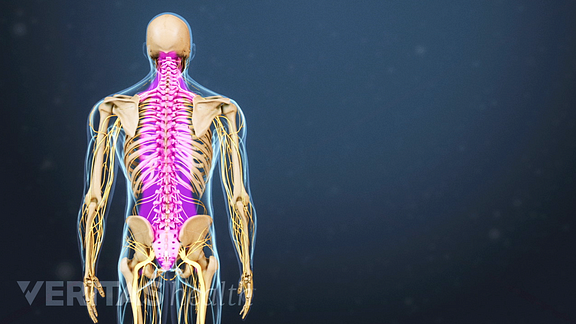
spine anatomy
Your spine is strong and flexible, but it is a common source of back pain.
Read:
 Spinal Anatomy and Back Pain
To help alleviate your discomfort and prevent future injuries, make these 3 spinal indulgences part of your daily routine:
Article continues below

1. Take a walk

Low-impact aerobic exercises, like walking, provide numerous benefits for your spine. For example, a daily walk strengthens the core muscles that support your spine, nourishes your spine by spurring healing nutrients and oxygen to the area, improves your overall flexibility, and reinforces the bone structure of your spine.
When you walk, make sure your practice good walking form. This means you need to walk with your shoulders straight, your head held up high, and your stomach slightly pulled in toward you.
If you suffer from a spinal condition, get the okay from your doctor before starting a walking regimen. And if you’re not an experienced walker, or if you're dealing with severe pain, it’s a good idea to begin with several short walks every day and slowly build up to a single long walk.

2. Follow a healthy diet

You may not realize it, but the food you eat every day plays a significant role in determining the overall health of your spine. To indulge your spine, avoid excess amounts of saturated fats (found in many baked goods, fried foods, and butter and/or cream). It’s also a good idea to eliminate processed foods from your diet, and to limit your intake of liquid calories (i.e. calories from soda and coffee-based drinks).
In place of the above unhealthy foods, make sure to include plenty of fruits, vegetables, whole grains, and lean sources of protein into your diet.
It may be difficult to make multiple abrupt changes to your diet, so you can start by changing one simple thing per week. For example, the first week you can cut out sugary drinks from your diet.
As an added bonus, a healthy diet will help you maintain a proper weight—which in turn can reduce the pressure on your spinal structures and minimize your back pain.

3. Use a standing desk

Sitting places 3 times as much pressure on the spinal discs in your lower back (lumbar spine) than standing. This means that excessive sitting can have serious consequences for your lumbar spine.
One way to reduce the negative effects of sitting is to indulge your spine by using a standing desk for all, or part of, the day. Here is how you can get started:
  • Standing desks can be expensive, so consider purchasing an affordable platform that you can place on top of your current desk.
  • Make sure you also purchase a pair of shoes that you feel comfortable standing in for long periods of time.
  • Set a goal of accomplishing one specific task per day using a standing desk. For example, you can answer your emails in the morning while standing.
  • Add an additional task each week, and slowly you will build your way up to spending the majority of your day standing up.
The above 3 spinal indulgences may seem like small changes to your daily routine, but over time they can add up to meaningful relief.

Learn more:

ABChiropractic Family & Wellness, located in St. Charles Missouri, is your home for fast pain relief and wellness for the whole family, invites all new patients to witness the benefits of Chiropractic care.  Call 636-916-0660 today and ask for our new patient special!

Monday, March 5, 2018

3 Little-Known Tips to Relieve Your Lower Back Pain on Road Trips

It’s no secret that car rides can be hard on your lower back—especially if you have to travel for an extended period of time.

The key to finding relief is to make a plan before you set off on your trip, and these 3 little-known tips can help you do exactly that:

1. Schedule regular stops for exercise

Sitting in one position for an extended period of time can tighten your back muscles, which in turn can lead to pain and even muscle spasms. So then, it’s a good idea to schedule stops every 30 to 60 minutes so you can walk around and stretch your lower back. This activity loosens your muscles and encourages blood circulation, bringing nutrients and oxygen to your lower back.
In addition to scheduling regular stops, try adjusting the position of your seat every 15 to 20 minutes. You can also pump your ankles to stimulate blood flow and to provide a slight hamstring stretch. Basically, any movement that’s safe to perform while driving can contribute to the relief of your back pain.

2. Bring a cold pack to relieve your lower back pain

More often than not, back pain is accompanied by inflammation. Applying a cold pack for 15 to 20 minutes can reduce this inflammation and numb sore tissues, both of which can relieve your pain.
Of course, finding relief through cold therapy on a road trip requires advanced planning. Here are a few simple options you can consider:
  • Before you leave on your trip, fill a cooler with reusable ice packs. You can also make your own customizable ice packs at home and toss them in the cooler.
  • Purchase instant ice packs at a pharmacy or general merchandise store. You can store these instant packs in the glove compartment of your car.
  • If you’re in a pinch, you can purchase ice and plastic bags on your trip—just make sure the bags are leak-free.
Regardless of which option you choose, remember to place a protective barrier between your skin and the cold pack to avoid ice burn.

3. Break up your trip into manageable stages

It seems counterintuitive, but sitting places more pressure on your spine than standing. So if your lower back pain is severe, consider breaking up your road trip into manageable stages. For example, rather than traveling 12 hours in one day, try 2 travel days instead. This strategy can help reduce the pressure on your spine—and it may encourage you to seek out unique tourist destinations. 
Of course, breaking up your trip may cost you additional time and money—but it’s worth it if you can avoid lower back discomfort.
I hope all of the above advice will help keep your lower back happy and healthy during your next road trip.

Learn more:

Call ABChiropractic Family & Wellness, your St. Charles Pain and Wellness Center at 636-916-0660.  We specialize in fast pain relief and wellness for the whole family.