Monday, May 13, 2019

Chiropractic VS Physical Therapy

You have back pain that won't go away.  You have tried everything from stretching, ice/heat, massage and over the counter pain medications with no to little relief.  What do you do?  The biggest confusion is when to go to a Chiropractor vs a Physical Therapist.  
I have a simple answer. 

Chiropractic is best for most back sprains, injuries, etc.  Physical Therapy is best for post-surgical rehabilitation.  From my experience, I have had numerous patients who sought care with a physical therapist initially for their spinal pain and ended up getting worse.  Exercise and in some cases, stretching, can actually worsen a back sprain/strain injury.  

When in doubt, call us at ABChiropractic for your free consultation with the doctor to determine if Chiropractic is right for you.  Our success rate and satisfaction rate for Chiropractic treatments from patients is over 90% based on numerous studies and surveys conducted over the years.  

Call ABChiropractic Family & Wellness, In ST. Charles at 636-916-0660.  Visit us in our new state of the art healing center as of April 2019.  We are St. Charles' Fast Pain Relief and Wellness facility.

Mario H Awwad
President, ABChiropractic Family & Wellness

Wednesday, March 27, 2019

Chiropractic for Kids??

I, Dr. Awwad, President of ABChiropractic Family & Wellness of St. Charles Missouri, 63303, am proud of the fact I have treated my 4 year old twins since the first week of their birth.  The first response I get from people is Why??  Research shows that the birthing process for both the mother AND child can cause misalignments of the spine, especially the upper neck for the child.   Only the slightest pressure using my pinky, is enough to create change in a newborns spine to correct that misalignment or subluxation.  Symptoms of colic, ear infections, acid reflux are some signs of potential misalignment.  Adjustments for kids and newborns are safe and preferable vs using medications.  Call 636-916-0660 to schedule your child or children for a free check up.  I treat dozens of children from all ages.  I would love to help you and your family.

Thursday, December 6, 2018

Guide to Sleeping With Lower Back Pain

Lower back pain makes it hard to fall asleep and can startle you awake at any hour of the night. Here is a simple guide to sleeping with lower back pain:

1. Sleep on your side to relieve pain from a pulled back muscle
One of the most common causes of lower back pain is a pulled back muscle. Symptoms typically resolve within a few days, but the intense pain can make it difficult to fall asleep at night.
No single sleeping position works for every person with
a pulled back muscle, but a good place to start is to experiment with sleeping on your side. When sleeping on your side, try the following:

  • Avoid the fetal position and instead sleep with your body slightly elongated.
  • Slip a slim pillow between your knees to promote spinal alignment.
  • Find a pillow that holds your head midway between each shoulder. If your pillow is too thin or too thick, it can bend your neck at an uncomfortable angle.

    You may benefit from wearing a disposable heat wrap to help alleviate the pain. These wraps deliver muscle-relaxing heat for several hours and may help you fall asleep faster and stay asleep longer.

    2. Listen to soothing audio
    Without everyday distractions at bedtime, you tend to focus more on your back pain. As you pay more attention to your back pain, your anxiety can start to rise—which can make it harder to fall asleep.
    The practice of listening to various forms of soothing audio can relieve both your anxiety and your experience of back pain by redirecting your focus away from your symptoms. Several nighttime audio options you can try include:
    • Classical music
    • Audio books intended for children
    • Relaxation podcasts
      Regardless of what kind of audio you choose to play, make sure it is free of harsh sounds or intense plot lines.

    3. Don’t skimp on your mattress
    It is important not to neglect your mattress. A sagging mattress can exacerbate lower back pain by placing stress on your spinal structures, often making it harder to fall asleep.
    The best mattress for you is ultimately the one that provides the best sleep. Here are a few tips to help get you started in your mattress search:
    • Your mattress should support the natural curve of your spine. This means your spine should look similar when you lie down as when you’re standing with good posture.
    • Visit your local mattress store and try out various types of mattresses. After 15 minutes on a mattress, you will have a general idea if it is a good fit for you.
    • If you sleep with a partner, consider a larger- sized mattress. This will allow you both room to sleep without startling one another awake.
    I hope all of the above advice will help you find relief from your lower back pain and enjoy a more restful night’s sleep.

    Call ABChiropractic Family & Wellness, Your family destination for fast pain relief and wellness in St. Charles, MO 63303.  636-916-0660

Monday, October 8, 2018

2 Reasons to Avoid Phone Use in Bed if You Have Neck Pain

The average American spends around five hours per day on their phone; and for many people this includes time spent browsing their phones while lying in bed.
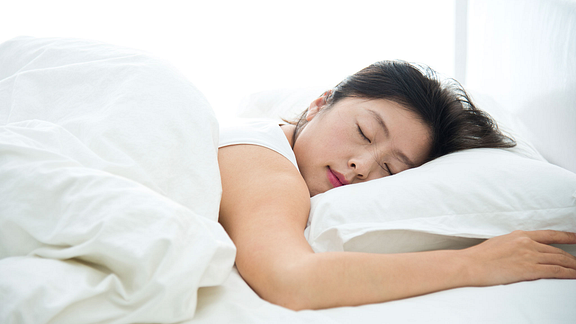
woman sleeping
There are three categories of neck pain: acute, subacute, and chronic. Read: Diagnosing Neck Pain
You may not think twice about using your phone in bed, but here are two reasons to avoid this harmful practice if you suffer from neck pain:

1. Phone use strains your neck

When you tilt your head forward to text or browse the internet on your phone, it places strain on the muscles, ligaments, and tendons in your neck. This may not seem like a big deal, but consider the following: when your head is in a neutral position, roughly 10 to 12 pounds of force is placed on your neck muscles. But if you hold your head at a 60 degree angle while using your phone, about 60 pounds of force is exerted on your neck.
What does this mean for you? If you already suffer from neck pain, using your phone in bed may aggravate your symptoms. This in turn can make it harder for you to fall asleep. Additionally, excessive phone use can result in wear-and-tear damage known as text neck.
If you have to use your phone in bed, limit the time spent on your phone and try to hold your device at eye level.

2. Blue light from your phone can inhibit your sleep

The blue light from your phone inhibits your body's natural release of melatonin, which can make it more difficult for you to fall asleep.
Less sleep is a serious problem for people who suffer from chronic neck pain. The reason for this is that a lack of sleep can make your pain worse, and in turn more severe pain can make it harder to fall asleep. Thus, you may find yourself trapped in a frustrating cycle of pain and sleeplessness.
To help avoid the disruptive effects of blue light, avoid using your phone or other electronic device within at least 1 hour of your bedtime.
Bad habits can be hard to break, but a good night's rest is an important component of managing your neck pain. So ditch the bad habit of using your phone in bed and you may find significant relief from your neck pain.

Learn more:

Call ABChiropractic Family & Wellness, the home of Fast Pain Relief and Wellness for the whole family in St. Charles, Missouri 63303, 63301.  636-916-0660. Call today to see how we can help with your neck pain or other health conditions.

Thursday, August 30, 2018

Guide to Sleeping With Lower Back Pain

Lower back pain makes it hard to fall asleep and can startle you awake at any hour of the night. Here is a simple guide to sleeping with lower back pain: 1. Sleep on your side to relieve pain from a pulled back muscle One of the most common causes of lower back pain is a pulled back muscle. Symptoms typically resolve within a few days, but the intense pain can make it difficult to fall asleep at night. No single sleeping position works for every person with a pulled back muscle, but a good place to start is to experiment with sleeping on your side. When sleeping on your side, try the following:

• Avoid the fetal position and instead sleep with your body slightly elongated.
• Slip a slim pillow between your knees to promote spinal alignment.
• Find a pillow that holds your head midway between each shoulder. If your pillow is too thin or too thick, it can bend your neck at an uncomfortable angle.

You may benefit from wearing a disposable heat wrap to help alleviate the pain. These wraps deliver muscle-relaxing heat for several hours and may help you fall asleep faster and stay asleep longer.
2. Listen to soothing audio Without everyday distractions at bedtime, you tend to focus more on your back pain. As you pay more attention to your back pain, your anxiety can start to rise—which can make it harder to fall asleep. The practice of listening to various forms of soothing audio can relieve both your anxiety and your experience of back pain by redirecting your focus away from your symptoms. Several nighttime audio options you can try include: • Classical music • Audio books intended for children • Relaxation podcasts Regardless of what kind of audio you choose to play, make sure it is free of harsh sounds or intense plot lines.
3. Don’t skimp on your mattress It is important not to neglect your mattress. A sagging mattress can exacerbate lower back pain by placing stress on your spinal structures, often making it harder to fall asleep. The best mattress for you is ultimately the one that provides the best sleep. Here are a few tips to help get you started in your mattress search: • Your mattress should support the natural curve of your spine. This means your spine should look similar when you lie down as when you’re standing with good posture. • Visit your local mattress store and try out various types of mattresses. After 15 minutes on a mattress, you will have a general idea if it is a good fit for you. • If you sleep with a partner, consider a largersized mattress. This will allow you both room to sleep without startling one another awake. I hope all of the above advice will help you find relief from your lower back pain and enjoy a more restful night’s sleep.

Call ABChiropractic if you are experiencing low back or hip pain.  We specialize in fast pain relief and wellness for all ages.  We are located in St. Charles, MO 63303.  636-916-0660

Tuesday, July 24, 2018

Your Lower Back Will Thank You If You Do These 3 Easy Things

Protecting, strengthening and nourishing your lower back are essential to reducing your lower back pain and for supplementing your medical treatments and recovery.
In concert with your medical treatments, consider adding these 3 easy things to your routine to help take stress off your lower back and help it heal:

1. Use a stand-up desk for at least part of your day

Studies have shown that too much sitting is a common cause of lower back pain.1 Your posture while sitting, especially while leaning forward to look at a computer screen, changes the natural alignment of the lower spine and puts an unusually heavy load on the lumbar discs, joints, and other structures.
To avoid prolonged sitting, many people are turning to standup desks for at least part of their workday. Standup desks now come in a variety of shapes, functionality, and price points – from inexpensive desk toppers to fully adjustable, automatic, sleek models.
If you have lower back pain, it is best to start with standing for only part of the day and gradually increase your stamina. You can add a cushioned mat under your feet for additional comfort. Standing more, combined with a brief walk or gentle stretch every half hour to break up long periods of sitting, will make a big difference in the health and integrity of your lower back.

2. Stretch your hamstrings daily

Many people don’t realize that their hamstrings, the large muscles that run down the back of each thigh, can easily become too tight. Overly tight hamstrings transfer stress across your lower back and can contribute to back pain.
There are many hamstring stretches that are gentle on your back and easy to do: pick one or two that appeal to you and will be easy to incorporate it into your daily routine.

3. Sleep in a slightly reclining position

Many people with lower back pain feel more supported when their lower back is supported in a slightly reclined position, with the knees supported and elevated. This is especially true for several lower back diagnoses, such as osteoarthritis, spinal stenosis, and lumbar degenerative disc disease.
If you find it difficult to sleep on your back, you may want to try resting in this position in a reclining chair and/or in your bed while reading before going to sleep.
To sleep most comfortably in a supported, reclined position, consider switching to an adjustable bed, also called an adjustable base. These models are not just for hospitals anymore: there has been a flood of options available to buy directly, ranging from a basic model to sophisticated functionality and options.
One newer development is that many online mattress sellers offer a mattress base that is fully adjustable, and some offer free delivery and in-home setup. If you are considering a new mattress, consider adding an adjustable base that is made to go with that mattress, as the combination may work to really help your back.
As you well know, medical treatments tend to be costly, time consuming, and over time can become emotionally draining. We encourage you to supplement your treatment program with whatever you can do on a daily basis to help your lower back.

Learn more:

References:

  1. Gupta N, Christiansen CS, Hallman DM, Korshøj M, Carneiro IG, Holtermann A. Is objectively measured sitting time associated with low back pain? A cross-sectional investigation in the NOMAD study. PLoS ONE. 2015;10(3):e0121159.
Call ABChiropractic Family & Wellness, in St. Charles, 63303 to set up your appointment with a doctor to discuss your back pain.  We offer natural and effective treatments that are affordable.  636-916-0660

Tuesday, July 10, 2018

The New Health Epidemic: Sitting Disease

By now, you've likely heard about many of the potential negative side effects of too much sitting—including numerous problems related to the lower back. Here are 4 helpful ideas to help you avoid this new health epidemic that is commonly referred to as sitting disease.

1. Stand up every 20 to 30 minutes

Standing up engages both your lower back and leg muscles, which in turn spurs nourishing blood flow throughout your body. So this simple act can reduce your lower back pain and muscle stiffness, while increasing your energy throughout the day.
There are a number of effective ways to remind yourself to stand periodically. For example, you can set an alarm on your computer or mobile phone that rings every 20 minutes, or try breaking up your work into 20-minute segments.

2. Incorporate stretching into your daily routine

Spending prolonged periods of time in the seated position tends to shorten your hamstring muscles, as well as the muscles and soft tissues around your hips. Keeping your hands on your computer mouse and keyboard can also stiffen up your shoulder joints.
Thankfully, even a few stretches throughout the day can go a long way towards loosening up your muscles and soft tissues.

3. Avoid after-hours electronics use

Like many people, you may be required to use a computer at work for up to 8 hours per day. So when you get home, don't head straight for your television or laptop. This unhealthy habit typically leads to more sitting, which is the last thing you need after a long day at work.
Instead, be proactive and plan after-work activities that get you up and moving. For example, you can join a sports league, explore bird watching, or simply take your dog for a walk.

4. Go for a walk

Don't limit exercise to the gym; instead, try to walk as much as possible throughout the day. Walking provides many benefits, including spurring the release of your body's natural pain-killers—known as endorphins. Here are a few pointers for incorporating walking into your busy schedule:
  • Schedule one meeting every day that you conduct while walking.
  • Whenever possible, take the stairs.
  • Consider using a device that tracks your steps throughout the day—this can be an inexpensive pedometer that you keep in your pocket (about $5), or a more expensive wearable device.
Strive towards a healthier lifestyle by committing to stand up and move a little more every day. Even small changes add up over time and can make a big difference. But the key is to get started today! 

Learn more:


Call ABChiropractic Family & Wellness, St. Charles' home of Chiropractic and Wellness for the entire family.  636-916-0660